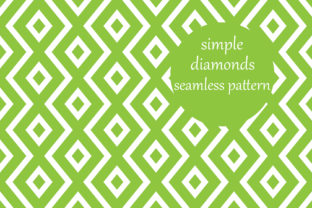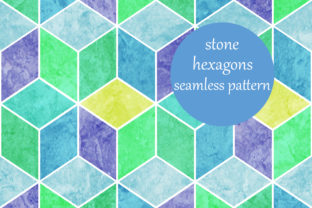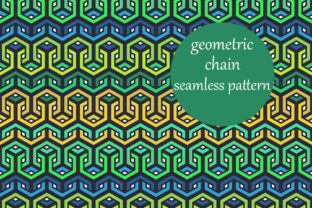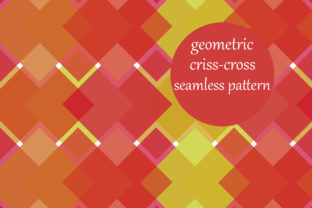
Origami Geometric Pattern: A Modern Twist on Traditional Art
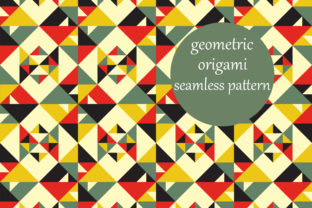
The Origami Geometric Pattern is a contemporary design concept that merges the elegance of traditional origami with the precision of geometric shapes. This pattern features overlapping, interlocking forms that create intricate, detailed, and visually engaging repeating designs. It has gained popularity among designers, artists, and crafters for its versatility and aesthetic appeal.
What Makes the Origami Geometric Pattern Unique?
The Origami Geometric Pattern stands out due to its ability to transform simple shapes into complex, layered visuals. Unlike traditional origami, which often focuses on folding paper into recognizable figures, this pattern emphasizes the spatial relationships between shapes. Each element in the design overlaps or connects with others, creating depth and dimensionality.
Key characteristics include:
- Repetition: The pattern repeats seamlessly, making it ideal for large-scale applications like wall art or textiles.
- Interactivity: The overlapping nature invites viewers to explore different angles and perspectives.
- Customization: Available in multiple color options, allowing users to tailor the design to their preferences or project requirements.
- Modularity: Individual elements can be rearranged or combined, offering flexibility in design execution.
Where Can the Origami Geometric Pattern Be Used?
The Origami Geometric Pattern is not limited to one specific application. Its adaptability makes it suitable for a wide range of uses, including:
Interior Design
In interior design, the Origami Geometric Pattern can be used to create eye-catching wall coverings, decorative panels, or even custom furniture. Its intricate details add a touch of sophistication to any space.
Fashion and Textiles
Designers in the fashion industry have also embraced the Origami Geometric Pattern. It can be applied to fabrics, scarves, and accessories, offering a unique visual element that sets garments apart from conventional designs.
Digital Media and Web Design
For web developers and digital artists, the Origami Geometric Pattern serves as an excellent tool for background textures, user interface elements, or interactive animations. Its layered structure allows for dynamic visual effects that enhance user engagement.
Art and Craft Projects
Whether you're a hobbyist or a professional artist, the Origami Geometric Pattern provides endless creative possibilities. It can be used in mixed-media collages, 3D sculptures, or even as part of a larger installation.
Who Benefits from Using the Origami Geometric Pattern?
The Origami Geometric Pattern appeals to a broad audience, including:
- Designers: Looking for innovative ways to incorporate geometric elements into their work.
- Artists: Seeking new techniques to expand their creative repertoire.
- Business Owners: Wanting to create distinctive branding materials or packaging.
- Online Users: Interested in exploring digital art or DIY projects.
- Crafters: Enjoying hands-on activities that combine creativity and precision.
Its accessibility and adaptability make it an excellent choice for both beginners and experienced creators alike.
Strengths of the Origami Geometric Pattern
The Origami Geometric Pattern offers several advantages that contribute to its widespread appeal:
- Aesthetic Appeal: The intricate design adds visual interest and depth to any project.
- Customizability: With various color options available, users can match the pattern to their desired style or theme.
- Flexibility: It can be adapted to different mediums, from physical crafts to digital formats.
- Engagement: The overlapping elements invite interaction, making it suitable for educational or interactive applications.
Considerations and Limitations
While the Origami Geometric Pattern is versatile, there are some considerations to keep in mind:
- Complexity: Due to its intricate nature, it may require more time and effort to execute compared to simpler patterns.
- Technical Skill: Some applications, particularly those involving digital creation, may require basic design or coding knowledge.
- Material Constraints: Depending on the medium, certain materials may not be suitable for achieving the desired effect.
- Cost: High-quality prints or custom fabrications can be more expensive than standard designs.
Despite these limitations, the benefits of the Origami Geometric Pattern often outweigh the challenges, especially when the end goal is to create something truly unique and visually striking.
Real-World Applications and Examples
The Origami Geometric Pattern has been successfully integrated into numerous real-world scenarios, including:
- Wall Art Installations: Large-scale murals that use the pattern to create immersive environments.
- Home Decor: Custom-made cushions, rugs, and tablecloths featuring the pattern.
- Brand Identity: Logos, packaging, and marketing materials that incorporate the pattern for a modern, artistic look.
- Interactive Exhibits: Museums and galleries have used the pattern in exhibits to engage visitors through visual storytelling.
- Education: Teaching tools that help students understand geometry and spatial reasoning through hands-on activities.
These examples highlight the pattern’s potential to be more than just a design element—it can be a powerful tool for communication, expression, and innovation.
Evaluating Suitability for Your Needs
Before incorporating the Origami Geometric Pattern into your project, consider the following factors:
- Purpose: Is the pattern intended for aesthetic enhancement, functional use, or educational value?
- Medium: Will it be used in print, digital format, or physical crafting?
- Target Audience: Who will see or interact with the pattern? How does it align with their expectations?
- Resources: Do you have the necessary tools, skills, or budget to implement the design effectively?
- Longevity: How durable or maintainable is the final product?
By carefully evaluating these aspects, you can determine whether the Origami Geometric Pattern is the right fit for your project.
Conclusion
The Origami Geometric Pattern is more than just a decorative element—it's a versatile and expressive design that bridges the gap between tradition and modernity. Whether you're a designer, artist, or simply someone looking to add a unique touch to your surroundings, this pattern offers a wealth of opportunities for creativity and innovation.
With its intricate details, customizable options, and wide-ranging applications, the Origami Geometric Pattern continues to inspire and captivate audiences across various fields. By understanding its strengths, limitations, and practical uses, you can make informed decisions about how to best integrate it into your own projects or creative endeavors.