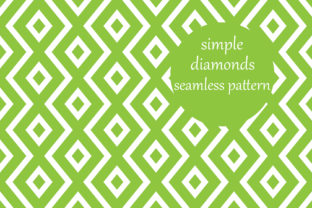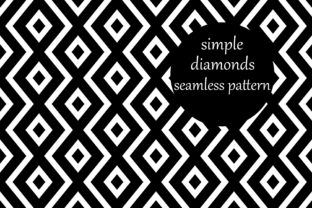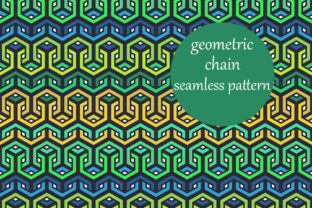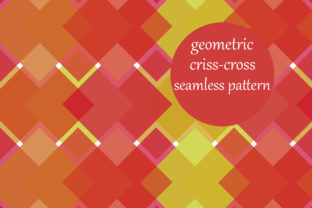
Detailed Geometric Pattern: A Versatile Design Choice for Modern Applications
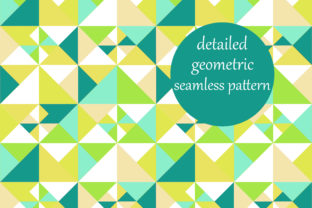
When it comes to design, the choice of pattern can significantly impact the final outcome. Among the many options available, Detailed Geometric Pattern stands out for its complexity, visual appeal, and adaptability. This type of pattern is characterized by its use of precise shapes—such as triangles, circles, squares, and polygons—that are arranged in a structured, often repeating manner. Unlike simpler patterns that rely on basic motifs, Detailed Geometric Patterns offer a level of intricacy that can elevate both artistic and functional applications.
What Makes Detailed Geometric Pattern Unique?
A Detailed Geometric Pattern is more than just a collection of shapes; it’s a carefully designed system that balances symmetry, proportion, and repetition. These patterns are often created using mathematical principles, which allows for a high degree of precision and consistency. The result is a visually engaging design that can be scaled, modified, and applied across various mediums without losing its integrity.
One of the defining features of this pattern is its ability to create depth and dimension through the interplay of different shapes and angles. For instance, overlapping triangles or intersecting hexagons can produce a dynamic effect that adds interest to any surface. Additionally, the repetitive nature of these patterns makes them ideal for large-scale applications such as wall coverings, textiles, and digital backgrounds.
Unlike some other design styles that may prioritize organic flow or randomness, Detailed Geometric Pattern offers a sense of order and control. This makes it particularly appealing to those who value structure and clarity in their creative work. Whether used in interior design, fashion, or graphic design, this pattern provides a versatile foundation that can be customized to suit specific needs.
Comparing Detailed Geometric Pattern with Other Options
While there are numerous pattern types available, each has its own strengths and limitations. When evaluating Detailed Geometric Pattern, it's useful to compare it with similar alternatives such as abstract patterns, organic patterns, and traditional geometric patterns.
Abstract patterns tend to be more fluid and less structured, often relying on color and form rather than strict geometric rules. While they offer a wide range of creative possibilities, they may lack the precision and scalability of Detailed Geometric Pattern. On the other hand, organic patterns mimic natural forms and textures, making them ideal for designs that aim to evoke a sense of warmth or movement. However, they may not provide the same level of consistency or adaptability as geometric designs.
Traditional geometric patterns, such as those found in Islamic or Celtic art, are also based on shape and repetition but often have a more historical or cultural context. While they can be beautiful and meaningful, they may not offer the same flexibility or modern aesthetic as contemporary Detailed Geometric Patterns. These modern variations allow for greater customization and integration into current design trends.
In terms of practicality, Detailed Geometric Pattern offers several advantages over other options. Its structured approach ensures that the design remains cohesive even when scaled up or down. This makes it well-suited for applications where consistency is key, such as branding, packaging, or architectural elements. Additionally, because these patterns are often created digitally, they can be easily modified and adapted to different formats and color schemes.
Strengths and Limitations of Detailed Geometric Pattern
The primary strength of Detailed Geometric Pattern lies in its versatility and visual impact. It can be used in a wide range of contexts, from minimalist interiors to bold fashion statements. The ability to choose from multiple color options further enhances its adaptability, allowing designers to tailor the pattern to their specific project requirements.
However, like any design style, Detailed Geometric Pattern has its limitations. One potential drawback is that its structured nature may not be suitable for all design goals. For example, if the objective is to create a more relaxed or informal atmosphere, a geometric pattern might feel too rigid or formal. In such cases, an organic or textured pattern could be a better fit.
Another consideration is the level of detail involved. While the intricate design of Detailed Geometric Pattern can be a major asset, it may also require more time and effort to implement, especially in physical applications such as fabric printing or tile installation. Digital versions, however, offer a more streamlined process, as they can be easily edited and previewed before final production.
When Is Detailed Geometric Pattern the Right Choice?
Detailed Geometric Pattern is particularly well-suited for projects that require a strong visual identity and a sense of order. It works exceptionally well in environments where clarity and precision are important, such as corporate offices, retail spaces, or educational institutions. Its structured nature also makes it ideal for branding initiatives, where consistency across all materials is crucial.
In the realm of digital design, Detailed Geometric Pattern is a popular choice for creating backgrounds, icons, and user interfaces. The ability to customize colors and shapes allows designers to create unique visual experiences that align with brand guidelines. Additionally, the scalability of these patterns ensures that they remain effective across different screen sizes and resolutions.
For those working in fashion or textile design, Detailed Geometric Pattern can add a modern and sophisticated touch to garments and accessories. The repetitive nature of the design ensures that the pattern remains consistent throughout the piece, while the variety of color options allows for creative experimentation.
Alternatives and Considerations
While Detailed Geometric Pattern offers many benefits, it's not always the best option for every project. In some cases, alternative patterns may provide a more appropriate solution. For example, if the goal is to create a more casual or eclectic look, a mix of abstract and textured patterns might be more suitable. Similarly, if the focus is on sustainability or eco-friendly materials, certain natural or recycled pattern options could be preferable.
It's also worth considering the tools and resources required to implement Detailed Geometric Pattern. While digital tools such as Adobe Illustrator or online pattern generators make the process easier, some applications may require specialized software or expertise. For those looking for a more hands-on approach, pre-made templates or print-on-demand services can offer a convenient alternative.
Ultimately, the decision to use Detailed Geometric Pattern should be based on the specific needs of the project. Factors such as budget, timeline, and design goals all play a role in determining the most suitable option. By carefully evaluating these considerations, designers can make informed choices that align with their creative vision and practical requirements.