Geometric Woven Chain Pattern: A Versatile Design for Modern Creativity
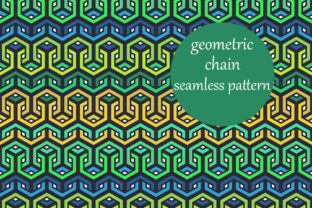
The Geometric Woven Chain Pattern is a unique and intricate design that combines the precision of geometry with the fluidity of weaving. It features a digital pattern composed of interlocking hexagonal shapes, layered one over the other to form a detailed, repeating motif. This pattern is not only visually striking but also highly adaptable, making it a valuable asset across a range of creative and practical applications.
Understanding the Geometric Woven Chain Pattern
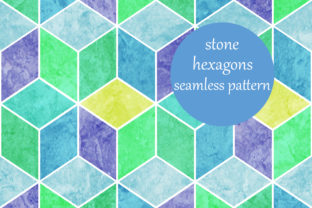
The Geometric Woven Chain Pattern is built from a series of hexagons, each carefully arranged to create a seamless flow. The hexagonal shape, known for its efficiency in tiling and packing, allows for a natural progression of the pattern without gaps or overlaps. When layered, these shapes produce a sense of depth and complexity, ideal for both decorative and functional designs.
This pattern is often used in textile design, graphic arts, and digital media due to its scalability and adaptability. It can be manipulated to fit various formats, from small icons to large banners, ensuring consistent visual appeal across different mediums. Its modular nature also makes it easy to customize, allowing users to experiment with color variations and structural changes.
Integration into Creative Workflows
Whether you're a designer, marketer, or educator, the Geometric Woven Chain Pattern can enhance your workflow by adding a layer of sophistication to your projects. For instance, in branding, this pattern can serve as a background element for logos, websites, or promotional materials, providing a modern and professional look. In educational contexts, it can be used to create visual aids that help explain complex concepts through structured, geometric representations.
For creators working on digital assets, the pattern offers a way to add texture and interest without overwhelming the viewer. It's particularly useful in UI/UX design, where subtle patterns can guide user attention and improve the overall aesthetic of an interface. Additionally, the pattern's versatility allows it to be incorporated into physical products such as textiles, home decor, and stationery, expanding its potential use cases.
Use Cases Across Industries
- Graphic Design: Used in backgrounds, borders, and textures for print and digital media.
- Web Development: Integrated into website layouts for a cohesive and engaging user experience.
- Interior Design: Applied to wall coverings, rugs, and decorative elements.
- Educational Materials: Utilized in teaching tools to illustrate mathematical or scientific principles.
- Marketing: Incorporated into social media graphics, infographics, and advertising campaigns.
The Geometric Woven Chain Pattern is not limited to any single industry. Its adaptability ensures that it can be integrated into diverse workflows, whether you're working on a personal project or managing a business operation. Its ability to scale and change color options makes it especially appealing for those looking to maintain consistency across multiple platforms and audiences.
Practical Implementation Tips
To effectively implement the Geometric Woven Chain Pattern, consider the following tips:
- Choose the Right Color Options: The pattern comes in a variety of color combinations, allowing you to match your brand identity or project theme. Select colors that complement your existing design palette while maintaining visual balance.
- Test Scalability: Ensure the pattern looks good at different sizes, especially if you plan to use it in both digital and print formats. Test how it performs on high-resolution screens and large-format prints.
- Layer Thoughtfully: Experiment with layering the hexagonal shapes to achieve the desired depth and complexity. Adjust the opacity or transparency levels to create a more dynamic effect.
- Optimize for Performance: If using the pattern in web development, optimize file size and format to ensure fast loading times and smooth performance across devices.
- Combine with Other Elements: Use the pattern as a base for other design elements, such as text, icons, or images. It can act as a subtle background or a bold focal point depending on your needs.
By following these best practices, you can ensure that the Geometric Woven Chain Pattern enhances your work without overshadowing other key components of your design or workflow.
Collaboration and Compatibility
The Geometric Woven Chain Pattern is designed to work seamlessly with a wide range of tools and platforms. Whether you're using Adobe Illustrator, Photoshop, or online design tools like Canva, the pattern can be easily imported and customized. Its vector-based format ensures that it remains sharp and clear at any scale, making it compatible with both digital and print workflows.
In collaborative environments, the pattern's structure allows team members to contribute creatively without disrupting the overall design. For example, designers can focus on the layout and aesthetics, while developers can integrate the pattern into the technical aspects of a project. This division of labor promotes efficiency and ensures that the final product meets both creative and functional requirements.
Long-Term Usability and Quality Control
When considering the long-term use of the Geometric Woven Chain Pattern, it's important to prioritize quality control and maintenance. Regularly review how the pattern performs across different applications and platforms. If you're using it in a business context, track its effectiveness in branding, marketing, or user engagement efforts.
Additionally, keep an eye on updates and new color options that may become available. Staying current with the latest developments ensures that your design remains fresh and relevant. By maintaining a flexible approach, you can adapt the pattern to evolving trends and audience preferences without starting from scratch.
The Geometric Woven Chain Pattern is more than just a visual element—it's a versatile tool that can enhance creativity, streamline workflows, and support long-term goals. Whether you're designing for personal use or managing a professional project, integrating this pattern into your routine can lead to more efficient, effective, and visually appealing results.