Simple Geometric Zig-Zag Pattern
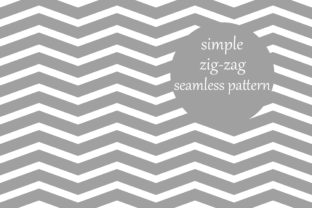
The Simple Geometric Zig-Zag Pattern is a versatile design element that combines clean lines with dynamic movement. It’s a visual rhythm that can be applied across multiple creative fields, from graphic design to web development and even physical crafts. Its simplicity makes it highly adaptable, allowing users to modify it for different purposes without losing its core appeal.
A Versatile Foundation for Creativity
This pattern consists of repeating angles that create a sense of motion and energy. Unlike more complex designs, the zig-zag shape remains recognizable and easy to work with, making it ideal for beginners and experienced creators alike. The pattern’s geometric nature ensures clarity and consistency, which are essential for maintaining visual integrity in any project.
One of the key strengths of the Simple Geometric Zig-Zag Pattern is its ability to convey both structure and fluidity. Whether used as a background, border, or accent, it adds depth and interest without overwhelming the viewer. Its clean form also allows for easy customization, enabling users to experiment with color, scale, and orientation.
Applications Across Creative Fields
The versatility of this pattern means it can be adapted to suit a wide range of projects. In graphic design, it can serve as a decorative element in logos, infographics, or social media graphics. For web developers, it offers an opportunity to add visual texture to websites while maintaining performance efficiency.
In print design, the pattern can be incorporated into stationery, packaging, or branding materials. Its repetitive nature makes it particularly effective for creating cohesive visual identities. Similarly, in digital art, the zig-zag shape can be manipulated using software tools to generate unique textures or backgrounds.
- Web Design: Use the pattern as a subtle background or overlay to enhance user experience.
- Print Media: Incorporate it into posters, brochures, or book covers for added visual impact.
- Digital Art: Manipulate the pattern using vector or pixel-based tools to create custom visuals.
- Physical Crafts: Apply it to textiles, paper products, or 3D models for a modern aesthetic.
Color Options and Customization
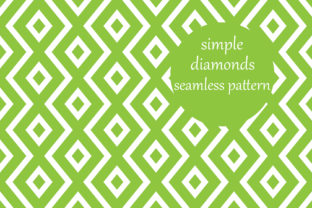
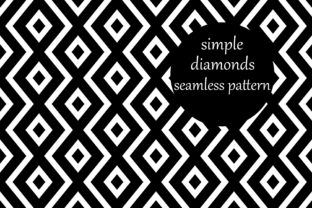
While the basic pattern is often presented in black and white, it can be enhanced through color variations. Choosing the right color palette can significantly influence the overall mood and message of the design. For example, warm tones like red and orange can evoke energy and excitement, while cool tones like blue and green offer a more calming effect.
Users can also experiment with gradients, transparency, and layering to create more complex effects. These modifications allow the pattern to evolve beyond its original form, ensuring it remains relevant and visually engaging across different contexts.
Practical Tips for Effective Use
To ensure your use of the Simple Geometric Zig-Zag Pattern is both effective and appealing, consider the following tips:
- Keep It Simple: Avoid overcomplicating the design. A clean, minimal approach often yields the best results.
- Test Different Sizes: Experiment with how the pattern scales in various formats to maintain visual balance.
- Use It Strategically: Place the pattern where it complements other design elements rather than competing with them.
- Stay Consistent: Maintain a consistent style throughout your project to reinforce brand identity or design theme.
- Explore Variations: Try altering the angle, spacing, or direction of the zig-zag to match your creative vision.
Real-World Examples and Inspiration
Many successful brands and designers have incorporated the Simple Geometric Zig-Zag Pattern into their work. For instance, fashion labels use it in textile patterns to add a modern edge to their collections. Interior designers apply it to wall art or flooring to create a sense of movement within a space.
For bloggers and content creators, this pattern can be used to enhance the visual appeal of blog headers, sidebar widgets, or downloadable resources. Marketers might integrate it into email templates or social media assets to make their content stand out.
Adapting for Different Audiences and Goals
The beauty of the Simple Geometric Zig-Zag Pattern lies in its adaptability. Whether you’re targeting a professional audience or a casual consumer, the pattern can be tailored to fit your needs. For educators, it can serve as a teaching tool to explain geometry and design principles. For entrepreneurs, it can help create eye-catching branding materials that resonate with your target market.
Freelancers and small business owners can benefit from using this pattern to differentiate their work from competitors. By incorporating it into their portfolios or marketing collateral, they can showcase their creativity and attention to detail.
Conclusion
The Simple Geometric Zig-Zag Pattern is more than just a design element—it’s a powerful tool for expression and innovation. Its clean lines and dynamic shape make it suitable for a wide range of applications, from digital projects to physical crafts. By understanding its potential and experimenting with variations, you can unlock new creative possibilities and bring your ideas to life with confidence and clarity.