Geometric Rubikz Cube Pattern: A Strategic Tool for Modern Creativity and Planning
The Geometric Rubikz Cube Pattern is more than just a visual design—it's a powerful framework that can be applied across a wide range of creative, strategic, and operational contexts. Inspired by the iconic Rubik’s Cube, this pattern combines the principles of structure, transformation, and interconnectivity to offer a unique way of thinking about problem-solving, decision-making, and project execution. Whether you're an entrepreneur building a brand, a marketer designing a campaign, or a hobbyist exploring new artistic directions, the Geometric Rubikz Cube Pattern offers a versatile and adaptable approach.
Understanding the Geometric Rubikz Cube Pattern
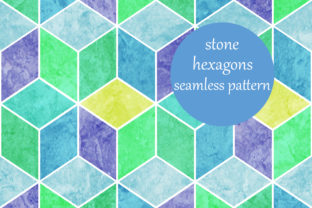
The Geometric Rubikz Cube Pattern is characterized by its multicolored geometric arrangement, composed of digital shapes that resemble the segmented blocks of a classic Rubik’s Cube. Each segment represents a distinct element, color, or concept, and the overall design allows for dynamic reconfiguration. This pattern is not static; it evolves with context, purpose, and application. It can be adapted to fit both digital and physical mediums, making it highly flexible for various use cases.
What makes this pattern strategically useful is its ability to visually represent complex relationships and systems. The interplay of colors and shapes encourages a deeper understanding of how different components interact, whether in a business model, a marketing strategy, or a creative project. By breaking down a larger goal into smaller, manageable parts, the Geometric Rubikz Cube Pattern supports clarity, focus, and intentional planning.
Strategic Applications of the Geometric Rubikz Cube Pattern
The Geometric Rubikz Cube Pattern can be leveraged in multiple ways to support strategic objectives. Here are some key areas where it proves particularly effective:
- Goal Setting and Planning: By mapping out goals as individual segments within the pattern, teams can visualize progress, identify gaps, and align priorities. This helps in creating a clear roadmap for achieving long-term outcomes.
- Branding and Positioning: The vibrant and dynamic nature of the Geometric Rubikz Cube Pattern makes it ideal for branding efforts. It can serve as a visual identity, symbolizing innovation, adaptability, and complexity in a brand’s value proposition.
- Creative Projects: Artists, designers, and content creators can use this pattern as a foundation for their work, offering a structured yet flexible canvas for experimentation and expression.
- Customer Experience Design: In service-oriented industries, the pattern can help map customer journeys, identify touchpoints, and enhance the overall experience through visual storytelling.
- Learning and Education: Educators can utilize the Geometric Rubikz Cube Pattern to teach complex concepts in an engaging and interactive way, fostering better comprehension and retention among learners.
One practical example is using the Geometric Rubikz Cube Pattern in a digital marketing campaign. Each segment could represent a different platform, message, or audience segment. By arranging these elements strategically, marketers can ensure cohesive messaging while allowing for flexibility in execution.
When to Use the Geometric Rubikz Cube Pattern
The Geometric Rubikz Cube Pattern is most effective when you need to manage complexity, foster collaboration, or visualize abstract ideas. It works best in scenarios where:
- Multiple Components Are Involved: When a project or initiative consists of several interconnected parts, the pattern provides a clear way to organize and track them.
- Visual Clarity Is Needed: If your audience benefits from visual representation, this pattern can simplify complex information and make it more accessible.
- Adaptability Is Key: In fast-changing environments, the ability to reconfigure the pattern ensures that your approach remains relevant and responsive to new challenges.
- Team Collaboration Is Required: The pattern encourages shared understanding and alignment, making it a valuable tool for team-based projects.
However, it's important to consider the context before implementing the Geometric Rubikz Cube Pattern. For instance, in highly regulated industries or situations requiring strict compliance, over-reliance on a visual metaphor may lead to misinterpretation or oversimplification of critical details.
How to Approach the Geometric Rubikz Cube Pattern Strategically
Using the Geometric Rubikz Cube Pattern intentionally requires a thoughtful approach. Here are some steps to guide your implementation:
- Define Your Objectives: Start by clearly outlining what you aim to achieve. This will determine how you segment and arrange the elements within the pattern.
- Identify Key Components: Break down your project or initiative into its core elements. These could be tasks, strategies, resources, or stakeholders.
- Map Relationships: Determine how each component interacts with others. This helps in identifying dependencies, synergies, and potential bottlenecks.
- Choose the Right Medium: Decide whether to use the pattern digitally (e.g., in presentations, websites, or apps) or physically (e.g., in posters, signage, or workshop materials).
- Test and Refine: Experiment with different configurations and gather feedback to refine the pattern for optimal effectiveness.
By following these steps, you can ensure that the Geometric Rubikz Cube Pattern serves as a meaningful tool rather than a superficial design element.
Risks of Misusing the Geometric Rubikz Cube Pattern
While the Geometric Rubikz Cube Pattern offers numerous benefits, it is not without risks. One common pitfall is using it without clear goals or context. When applied randomly, the pattern can become a distraction rather than a tool for insight. It may also lead to overcomplication, especially if too many elements are included without proper organization.
Another risk is the potential for misinterpretation. Since the pattern is visual, it relies heavily on how it is presented and understood. Without clear explanations or alignment, different stakeholders may derive conflicting meanings from the same design. This can lead to confusion, inefficiency, and wasted effort.
To mitigate these risks, it's essential to use the Geometric Rubikz Cube Pattern with intention. Always pair it with clear communication, documentation, and alignment across teams. This ensures that the pattern enhances your strategic efforts rather than complicates them.
Long-Term Value and Realistic Use Cases
The true power of the Geometric Rubikz Cube Pattern lies in its long-term value. When used strategically, it supports continuous improvement, adaptability, and sustainable growth. It can evolve alongside your goals, providing a consistent framework for decision-making and innovation.
Realistic use cases include:
- Operational Planning: Businesses can use the pattern to streamline workflows, allocate resources, and monitor performance metrics.
- Product Development: Teams can apply the pattern to design products that balance functionality, aesthetics, and user experience.
- Content Creation: Bloggers, publishers, and creators can use the pattern to structure content, ensuring coherence and engagement.
- Training and Onboarding: The pattern can be integrated into training programs to help employees understand complex processes or organizational structures.
Ultimately, the Geometric Rubikz Cube Pattern is not just a design choice—it's a strategic mindset. It encourages a holistic view of problems, fosters creativity, and supports informed decision-making. By applying it thoughtfully, you can unlock new possibilities and drive meaningful results in your personal and professional endeavors.