Seamless Pattern Roses: A Modern Design Essential
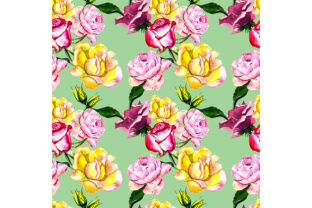
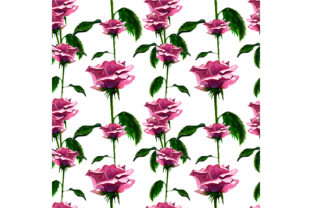
Seamless pattern roses are a versatile design element that blends artistry with functionality. These patterns feature repeating rose motifs that seamlessly connect at the edges, making them ideal for fabric, wallpaper, digital graphics, and more. Whether you're a designer, hobbyist, or small business owner, understanding how to use seamless pattern roses effectively can elevate your projects and save time.
What Are Seamless Pattern Roses?
A seamless pattern is a design that repeats without visible seams or gaps. When applied to roses, these patterns create a continuous floral design that can be stretched or tiled across any surface. The modern watercolor style adds a soft, artistic touch, making these patterns popular in trendy home décor, fashion, and branding.
Unlike traditional floral prints, seamless pattern roses are designed to work across different mediums. They are often used in graphic design software like Adobe Illustrator or Photoshop, where they can be scaled, colored, and layered with ease.
Why Choose Seamless Pattern Roses?
There are several reasons why designers and creators turn to seamless pattern roses:
- Efficiency: Once created, these patterns can be reused across multiple projects, reducing the need for repetitive design work.
- Flexibility: They adapt well to various surfaces and formats, from textiles to digital backgrounds.
- Visual Impact: The soft, watercolor aesthetic of these patterns adds a unique, modern flair to any design.
- Cost-Effective: High-quality seamless patterns can be purchased or downloaded, saving time and money compared to custom design work.
Common Mistakes When Using Seamless Pattern Roses
Even experienced designers can make mistakes when working with seamless pattern roses. Here are some common errors to avoid:
1. Not Checking the Pattern's Registration
One of the most frequent issues is incorrect registration. This refers to how the pattern aligns when repeated. If the registration is off, the design may look disjointed or misaligned, especially when printed or scaled.
Example: A designer might download a seamless rose pattern and apply it to a fabric design, only to find that the petals don't line up properly when sewn together. This can lead to an unprofessional appearance and wasted materials.
Better Approach: Always check the pattern’s registration by zooming in on the edges and ensuring that the design lines up perfectly. Some tools allow you to test the pattern in real-time before finalizing the design.
2. Ignoring the Resolution and File Format
The resolution and file format of a seamless pattern can greatly affect its usability. Low-resolution files may appear pixelated when scaled, while improper formats can cause compatibility issues.
Example: A user might download a .png file with low resolution and use it for a high-quality print project, resulting in blurry or distorted images.
Better Approach: Opt for high-resolution files (at least 300 DPI) and choose appropriate formats like .svg or .eps for scalability. Always verify the file type before using it in your project.
3. Overlooking the Color Palette
The color choices in a seamless pattern can influence the overall look and feel of your design. Poorly chosen colors may clash with other elements or fail to convey the intended mood.
Example: A designer might select a rose pattern with overly bright colors for a minimalist brand, creating a visual mismatch that undermines the brand’s identity.
Better Approach: Consider the context in which the pattern will be used. Select colors that complement your design goals and maintain consistency across all applications.
What to Check Before Using Seamless Pattern Roses
Before deciding on a seamless pattern, consider the following factors:
- Intended Use: Will the pattern be used for printing, digital design, or something else? Different uses require different quality and format considerations.
- License Agreement: Ensure you have the right to use the pattern as intended. Some patterns may restrict commercial use or require attribution.
- Compatibility: Check if the pattern works with your design software or platform. Some patterns may not support certain features or export options.
- Quality: Review the pattern for clarity, detail, and overall aesthetics. A poorly designed pattern can negatively impact the final outcome.
Conclusion
Seamless pattern roses offer a beautiful and efficient way to incorporate floral designs into various creative projects. By avoiding common mistakes and carefully selecting the right patterns, you can ensure better results and greater satisfaction. Whether you're a beginner or a professional, taking the time to understand how to use these patterns effectively can make a significant difference in your work.