Mastering Mandala Vector Art Pattern 1048: A Practical Guide for Creative Professionals
Mandala Vector Art Pattern 1048 is a highly detailed and versatile design that has captured the attention of designers, artists, and creators across various industries. With its intricate geometry and spiritual symbolism, this pattern offers endless possibilities for application in graphic design, branding, packaging, web development, and more. Whether you're an experienced designer or just starting out, understanding how to effectively use Mandala Vector Art Pattern 1048 can significantly enhance your creative output.
What Makes Mandala Vector Art Pattern 1048 Unique?
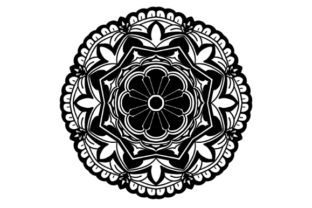
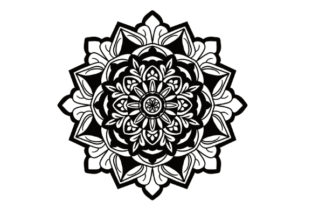
Mandala Vector Art Pattern 1048 stands out due to its precision and adaptability. Unlike generic patterns, this design features a symmetrical layout with multiple layers, making it ideal for both print and digital projects. It’s designed to be scalable without losing quality, which is essential for professionals who need high-resolution outputs. The pattern also includes elements that resonate with cultural and spiritual themes, adding depth and meaning to any project.
One of the key advantages of using Mandala Vector Art Pattern 1048 is the availability of multiple file formats—AI, EPS, and JPG. This versatility ensures compatibility with a wide range of software and platforms, from Adobe Illustrator to WordPress themes. Whether you’re working on a logo, website background, or social media graphics, having access to these files makes the process smoother and more efficient.
Common Mistakes When Using Mandala Vector Art Pattern 1048
While Mandala Vector Art Pattern 1048 is a powerful tool, many users make mistakes that can hinder their results. One common error is not checking the file format before downloading. For example, if you’re working on a print project, using a JPG file might lead to pixelation when scaled up. Always verify that the format matches your project’s requirements.
Another frequent mistake is applying the pattern without considering the context. Mandala designs often carry symbolic meanings, so using them inappropriately—such as in a corporate logo for a tech startup—can create unintended associations. Before finalizing your design, consider the message you want to convey and whether the pattern aligns with it.
Some users also overlook the importance of layer structure in vector files. Mandala Vector Art Pattern 1048 is composed of multiple layers, each contributing to the overall complexity. If you don’t organize these layers properly, editing or modifying specific parts of the design becomes challenging. Take the time to understand the structure before making changes.
How These Mistakes Affect Your Work
Mistakes like those mentioned above can have a ripple effect on your project’s outcome. Poor file format choices may result in lower-quality outputs, which can damage your professional reputation. Misusing the pattern’s symbolism can confuse your audience or misrepresent your brand, leading to decreased engagement and trust.
Ignoring layer organization can also reduce efficiency. If you’re working on a tight deadline, spending extra time reorganizing layers after the fact can delay your project. In contrast, taking a few minutes upfront to understand the file structure saves time in the long run.
Practical Tips for Avoiding Common Pitfalls
To ensure a smooth experience with Mandala Vector Art Pattern 1048, follow these practical tips:
- Check File Formats: Confirm whether your project requires AI, EPS, or JPG files. Choose accordingly to maintain quality and scalability.
- Understand Symbolism: Research the cultural and spiritual significance of mandalas to ensure they align with your intended message.
- Organize Layers: Use the layer panel in your design software to separate elements, making it easier to edit and modify as needed.
- Test Scalability: Preview your design at different sizes to ensure it looks sharp and maintains its integrity across all platforms.
- Use Proper Software: Ensure you’re using compatible software that supports vector formats, such as Adobe Illustrator or Inkscape.
By following these steps, you’ll avoid unnecessary complications and maximize the potential of Mandala Vector Art Pattern 1048 in your creative workflow.
What to Check Before Using Mandala Vector Art Pattern 1048
Before diving into your project, take a moment to evaluate the following:
- Resolution Requirements: Determine the resolution needed for your project to ensure the pattern looks crisp and clear.
- Software Compatibility: Verify that your design software supports the file format you’ve chosen.
- License Terms: Review the licensing agreement to ensure you’re using the pattern within permitted boundaries.
- Color Mode: Confirm whether the pattern is in RGB or CMYK format, depending on whether it will be used for digital or print purposes.
- Customization Options: Assess how easily you can customize the pattern to fit your unique design needs.
These checks help prevent costly errors and ensure that your use of Mandala Vector Art Pattern 1048 is both effective and compliant.
Conclusion
Mandala Vector Art Pattern 1048 is a valuable resource for designers and creators looking to add depth and visual interest to their work. By understanding its strengths and avoiding common pitfalls, you can unlock its full potential. Whether you’re designing for personal use or commercial purposes, taking the time to research, plan, and execute your project thoughtfully will lead to better results and greater satisfaction.