Abstract Shapes Doodle Pattern: A Versatile Tool for Creative and Practical Workflows
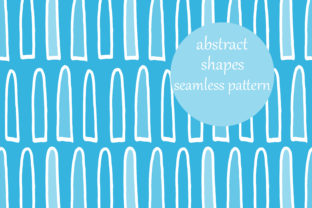
The Abstract Shapes Doodle Pattern is a visually engaging design composed of hand-drawn geometric and organic forms. This pattern serves as a flexible asset that can be integrated into various creative, planning, and productivity workflows. Its simplicity and adaptability make it a valuable resource for professionals, creators, and hobbyists looking to enhance their projects with a touch of artistic flair or functional structure.
Understanding the Abstract Shapes Doodle Pattern
The Abstract Shapes Doodle Pattern is more than just an aesthetic element—it’s a versatile tool designed to support a wide range of activities. Whether you're sketching ideas, organizing thoughts, or visualizing data, this pattern provides a neutral yet expressive canvas. It’s crafted using hand-drawn shapes that can be arranged in multiple configurations, making it adaptable to different needs and preferences.
This doodle pattern is available in several color options, allowing users to choose the most suitable version for their specific project or environment. The ability to customize colors ensures that the pattern remains relevant across diverse applications, from branding materials to personal notebooks and digital assets.
Integrating the Pattern Into Your Workflow
The beauty of the Abstract Shapes Doodle Pattern lies in its seamless integration into various stages of a project or task. It can be used before, during, or after a process to aid in brainstorming, organization, and final presentation. For instance, during the initial planning phase, it can serve as a visual aid to map out ideas or outline steps. In the middle of a creative process, it can act as a source of inspiration or a way to break down complex concepts into simpler components. After a task is completed, it can be used to summarize key points or highlight important outcomes.
Its utility extends beyond traditional design work. Educators can use it to create engaging lesson plans or visual aids. Marketers might incorporate it into presentations or branding materials to add a unique, handcrafted feel. Freelancers and small business owners can apply it to proposals, contracts, or client communication to convey professionalism and creativity simultaneously.
How It Works With Other Tools and Resources
The Abstract Shapes Doodle Pattern is not meant to replace other tools but rather to complement them. It works well with digital design software such as Adobe Illustrator, Procreate, or even simple drawing apps like Microsoft Paint or Canva. When paired with these platforms, it allows for easy customization, scaling, and printing, ensuring that the pattern remains consistent across different mediums.
In addition to digital tools, the pattern can be used in conjunction with physical items such as notebooks, planners, and whiteboards. Its hand-drawn nature makes it ideal for analog workflows, where tactile engagement is preferred. For those who rely on both digital and physical methods, the pattern offers a cohesive bridge between the two, enabling a seamless transition between formats.
It also integrates well with other design elements such as typography, color schemes, and layout structures. By serving as a background or decorative element, it enhances the overall visual appeal without overwhelming the main content. This balance is crucial for maintaining clarity and focus, especially in professional or educational settings.
Practical Implementation Tips
To get the most out of the Abstract Shapes Doodle Pattern, consider the following tips:
- Choose the right color: Select a color that aligns with your project’s theme or brand identity. Neutral tones often provide the best versatility, while bold colors can add emphasis and energy.
- Use it as a base: Apply the pattern as a background for notes, diagrams, or outlines. This helps keep your workspace organized and visually stimulating.
- Customize when needed: If the pattern doesn’t fit perfectly, consider modifying it slightly to better suit your specific use case. This could include adjusting the size, spacing, or arrangement of shapes.
- Combine with other elements: Pair the pattern with text, icons, or illustrations to create a more dynamic and informative design. This approach is particularly useful for presentations or marketing materials.
- Experiment with layouts: Try different ways of arranging the shapes to see what works best for your workflow. Sometimes, a subtle variation can significantly improve usability and aesthetics.
By experimenting with these approaches, you can tailor the pattern to meet your unique needs while maintaining its core functionality and visual appeal.
Real-World Use Cases
The Abstract Shapes Doodle Pattern has been successfully applied in a variety of real-world scenarios:
- Brainstorming sessions: Teams use the pattern as a visual backdrop to generate and organize ideas during meetings or collaborative projects.
- Personal goal tracking: Individuals incorporate the pattern into planners or journals to visually represent progress toward personal or professional goals.
- Business planning: Entrepreneurs and small business owners use it to draft business plans, timelines, and strategic roadmaps.
- Learning activities: Teachers and students use it to create study guides, concept maps, or interactive learning materials.
- Marketing campaigns: Marketers apply it to social media graphics, posters, or brochures to add a unique, handcrafted touch.
These examples demonstrate how the pattern can be adapted to fit different industries, roles, and objectives, making it a truly universal tool.
Factors to Consider for Long-Term Use
When incorporating the Abstract Shapes Doodle Pattern into your routine, it’s important to consider factors such as preparation, compatibility, usability, and consistency:
- Preparation: Ensure that the pattern is ready for use by downloading or printing it in the correct format. Familiarize yourself with its dimensions and resolution to avoid any issues during implementation.
- Compatibility: Check that the pattern works well with your chosen tools and platforms. Some digital applications may require adjustments in file format or size for optimal performance.
- Usability: Test the pattern in different contexts to ensure it meets your expectations. If it doesn’t perform as intended, consider alternative versions or customizations.
- Consistency: Maintain consistency in how the pattern is used across projects. This helps reinforce its value and ensures that it remains a reliable part of your workflow.
- Quality control: Regularly assess the quality of the pattern in different applications. Over time, it may degrade or become less effective, so periodic updates or replacements may be necessary.
By keeping these factors in mind, you can maximize the long-term benefits of the pattern and ensure that it continues to support your evolving needs.