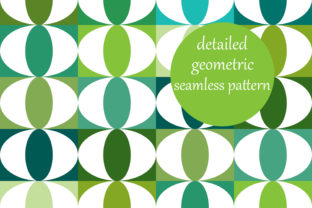
Exploring the Geometric Block Pattern: A Versatile Design Element
The Geometric Block Pattern has emerged as a powerful and adaptable design element, finding its way into various fields such as graphic design, architecture, fashion, and digital interfaces. This pattern is characterized by its use of repeating geometric block shapes—squares, rectangles, triangles, and other polygons—that form a cohesive and structured visual language. Unlike more organic or fluid designs, the Geometric Block Pattern offers a sense of order, precision, and modernity that appeals to both designers and end users.
The Essence of the Geometric Block Pattern
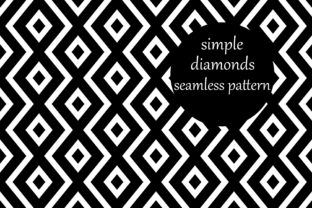
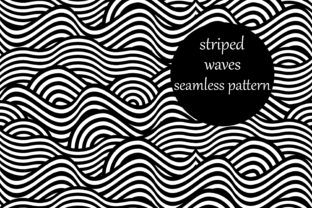
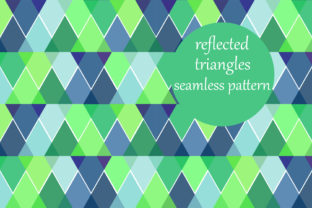
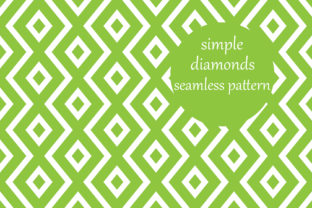
At its core, the Geometric Block Pattern is built on the repetition of simple, angular shapes. These blocks are often arranged in symmetrical or asymmetrical layouts, creating intricate yet controlled visual effects. The key to its success lies in the balance between simplicity and complexity. Each block can be modified in size, color, and orientation, allowing for endless variations while maintaining a consistent aesthetic.
This pattern is not limited to a single color scheme. It comes in a wide range of color options, making it highly customizable to suit different contexts. Whether it's a bold monochrome design or a vibrant multi-color layout, the Geometric Block Pattern can adapt to any visual environment.
Design Characteristics
- Repetition: The repeating nature of the pattern ensures consistency and familiarity, which is crucial in branding and user interface design.
- Symmetry: Many applications of the Geometric Block Pattern rely on symmetry to create a sense of balance and harmony.
- Modularity: Each block functions as an independent unit, which allows for easy modification and scalability.
- Color Flexibility: As mentioned earlier, the pattern supports a variety of color schemes, enhancing its versatility across different industries.
Applications Across Industries
The Geometric Block Pattern is not confined to a single industry. Its adaptability makes it suitable for a wide array of applications, from digital media to physical products. Let’s explore some of the most common use cases:
Digital Interfaces
In web and mobile design, the Geometric Block Pattern is frequently used to create clean, modern interfaces. It helps in organizing content, guiding user attention, and improving overall usability. For example, many apps and websites use this pattern to structure navigation menus, icons, and data visualization elements.
One notable application is in dashboard design, where blocks represent different data points. This not only enhances readability but also reinforces the clarity of information presented to the user.
Graphic Design
Graphic designers often incorporate the Geometric Block Pattern into logos, posters, and packaging. Its structured appearance gives a professional and contemporary feel, making it ideal for branding purposes. In logo design, for instance, the pattern can be used to create a strong visual identity that is both memorable and versatile.
Additionally, the pattern is widely used in print media, such as magazines and brochures, to add visual interest without overwhelming the reader with too much detail.
Architecture and Interior Design
In the realm of architecture, the Geometric Block Pattern is sometimes used to create decorative elements or structural components. It can be seen in tiling patterns, wall panels, and even in the layout of urban spaces. The pattern adds a modern touch to traditional designs, bridging the gap between old and new aesthetics.
Interior designers also utilize this pattern to create unique flooring, wall coverings, and furniture. By combining the pattern with other design elements, they can craft spaces that are both functional and visually appealing.
Advantages of Using the Geometric Block Pattern
The Geometric Block Pattern offers several advantages that make it a preferred choice for designers and creators:
- Visual Clarity: The structured nature of the pattern helps in organizing information and guiding the viewer's eye through the design.
- Scalability: Since each block is a modular unit, the pattern can be scaled up or down without losing its integrity.
- Customizability: With its flexible color and shape options, the pattern can be tailored to meet specific design needs.
- Time Efficiency: Repeating elements reduce the need for repetitive design work, saving time and effort during the creative process.
- Cultural and Historical Relevance: The pattern draws inspiration from traditional art forms and architectural styles, adding depth and context to modern designs.
Considerations for Implementation
While the Geometric Block Pattern offers numerous benefits, there are certain considerations to keep in mind when implementing it:
- Balance and Proportion: Overuse of the pattern can lead to visual clutter. It’s important to maintain a balance between the pattern and other design elements.
- Contextual Appropriateness: The pattern may not be suitable for all design contexts. It’s essential to evaluate whether it aligns with the intended message and audience.
- Technical Execution: When working digitally, ensuring that the pattern is properly aligned and optimized for different screen sizes is crucial.
- Accessibility: The pattern should be designed with accessibility in mind, especially for users with visual impairments. High contrast and clear spacing can enhance readability.
Conclusion
The Geometric Block Pattern stands out as a dynamic and versatile design tool that continues to evolve with technological advancements and changing design trends. Its ability to blend structure with creativity makes it a valuable asset across multiple disciplines. Whether you're a designer, developer, or educator, understanding the characteristics, applications, and considerations of this pattern can greatly enhance your ability to create impactful and meaningful visual experiences.