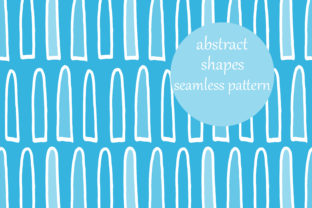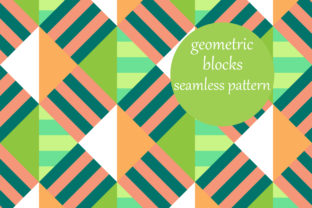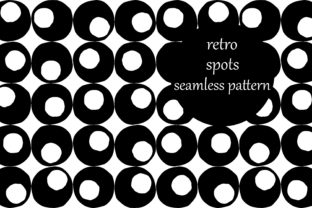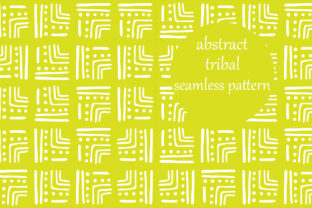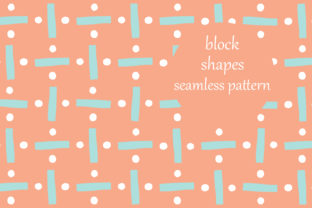
Abstract Divide Block Shapes Pattern
The Abstract Divide Block Shapes Pattern is a versatile design concept that blends simplicity with visual intrigue. Composed of geometric blocks and abstract forms, this pattern offers a clean yet dynamic aesthetic that can be adapted to various creative applications. Whether you're working on branding, digital illustrations, or print materials, this pattern provides a foundation for innovation and personal expression.
What Makes It Unique
At its core, the Abstract Divide Block Shapes Pattern is built from hand-drawn shapes that are intentionally spaced and arranged to create a sense of balance and movement. Unlike traditional grid-based designs, this pattern introduces an element of unpredictability through its organic layout. Each block serves as a visual anchor, while the spaces between them invite the eye to wander and interpret.
This approach allows for a high degree of customization. The pattern is not rigid; it can be scaled, restructured, and colored to suit different contexts. Its adaptability makes it ideal for both digital and physical projects, from website backgrounds to stationery and packaging.
Trends and Relevance in Modern Design
In today’s fast-paced creative landscape, designers are increasingly seeking patterns that offer both visual impact and functional flexibility. The Abstract Divide Block Shapes Pattern aligns perfectly with this demand. It reflects a growing trend toward minimalism with depth, where less is more but still communicates complexity.
Moreover, the rise of hand-drawn illustration in digital design has made this pattern even more relevant. As professionals across industries—from marketing to education—look for ways to stand out in a crowded market, unique and customizable visuals become essential. The Abstract Divide Block Shapes Pattern meets this need by offering a fresh, original design that can be tailored to any brand or project.
Practical Applications Across Industries
The versatility of the Abstract Divide Block Shapes Pattern extends beyond aesthetics. Here are some practical examples of how it can be applied:
- Branding: Use the pattern as a background for logos, business cards, or social media graphics to add visual interest without overwhelming the content.
- Digital Illustration: Incorporate the pattern into doodles, infographics, or editorial illustrations to enhance storytelling and engagement.
- Product Design: Apply the pattern to packaging, textiles, or home décor items to create a cohesive and modern look.
- Education: Teachers and educators can use the pattern in lesson plans, posters, or interactive learning materials to make concepts more engaging.
- Marketing: Brands can integrate the pattern into campaigns, email templates, or website layouts to maintain a consistent and memorable visual identity.
Why People Are Paying More Attention to This Pattern
As users become more discerning about the visuals they consume, there's a shift toward designs that are both meaningful and visually appealing. The Abstract Divide Block Shapes Pattern taps into this desire by combining artistic freedom with structured composition.
Additionally, the increasing popularity of hand-drawn elements in digital spaces has led to a greater appreciation for authentic, human-made visuals. This pattern, created with a mix of precision and spontaneity, resonates with audiences who value creativity and individuality.
Color Options and Customization
While the Abstract Divide Block Shapes Pattern can be used in its default form, its true potential lies in customization. Available in a range of color options, the pattern can be adapted to match specific brand identities or mood boards.
For instance, a muted pastel version might be ideal for a calming, minimalist project, while a bold, contrasting palette could work well for a vibrant, energetic campaign. The ability to choose from multiple color schemes ensures that the pattern remains relevant across a wide array of applications.
Designing with Purpose
When incorporating the Abstract Divide Block Shapes Pattern into a project, it's important to consider its role within the overall design. Rather than using it as a standalone element, think about how it enhances the message or experience.
For example, in a blog post or article, the pattern can serve as a subtle backdrop that draws attention without distracting from the content. In a product design, it can help differentiate the item from competitors while maintaining a cohesive aesthetic.
Ultimately, the key to successful integration is balance. The pattern should support the purpose of the project rather than overshadow it. By understanding its strengths and limitations, creators can leverage the Abstract Divide Block Shapes Pattern to achieve their goals effectively.
Looking Ahead: The Future of Visual Design
As technology continues to evolve, so too does the way we engage with visual content. The Abstract Divide Block Shapes Pattern is well-positioned to thrive in this changing environment. With its blend of structure and creativity, it offers a bridge between traditional design principles and modern digital trends.
Looking ahead, we can expect to see more hybrid approaches that combine hand-drawn elements with digital tools. The Abstract Divide Block Shapes Pattern is a perfect example of this evolution, proving that simplicity and innovation can coexist in the world of design.