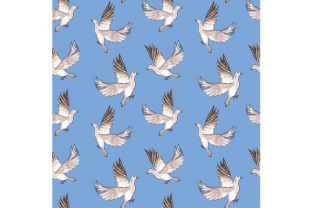
Seamless Pigeon Pattern
Seamless pigeon pattern is a design that repeats itself without visible seams, creating a continuous visual effect. This type of pattern is popular in various creative fields, from graphic design to textile arts. The seamless nature of the pattern allows it to be used in large formats without any disruption in the design flow.
What Is Seamless Pigeon Pattern?
A seamless pigeon pattern is a repeating design that features pigeons arranged in a way that seamlessly connects at the edges. Unlike traditional patterns that may have visible breaks or overlaps, a seamless design ensures that the image continues smoothly from one end to the other. This makes it ideal for backgrounds, textiles, and digital media where continuity is key.
Key Characteristics of Seamless Pigeon Patterns
- Repetition Without Breaks: The pattern repeats itself in a way that doesn't create a noticeable seam or gap.
- Visual Continuity: It creates an illusion of endlessness, which is especially useful in designs that require a sense of movement or flow.
- Design Flexibility: It can be adapted for different purposes, including print, web, and digital projects.
- Minimal Distraction: Because there are no seams, the focus remains on the design elements themselves, such as the pigeons.
Why Choose Seamless Pigeon Pattern?
There are several reasons why someone might choose a seamless pigeon pattern. For starters, it offers a clean and elegant look that can enhance the aesthetic of any project. Whether you're designing a website, creating a poster, or working on a fabric piece, the seamless quality ensures that the design remains cohesive and professional-looking.
Additionally, seamless patterns are versatile. They can be used in both personal and commercial contexts. For example, a small business owner might use a seamless pigeon pattern for branding materials, while a blogger could incorporate it into their website's background to add a unique touch.
Practical Uses of Seamless Pigeon Pattern
- Graphic Design: Used in logos, banners, and social media graphics to add a subtle yet distinctive element.
- Textile Arts: Applied to fabrics, curtains, and home décor items to create a consistent and visually appealing design.
- Digital Media: Incorporated into websites, apps, and digital illustrations to provide a seamless user experience.
- Education: Utilized in teaching materials to help students understand design principles through real-world examples.
- Marketing: Employed in advertising campaigns to reinforce brand identity with a cohesive visual theme.
Beginner-Friendly Examples
If you're new to using seamless patterns, start with simple applications. For instance, a beginner designer might use a seamless pigeon pattern as a background for a blog post or a presentation slide. This not only adds visual interest but also keeps the focus on the content being presented.
Another practical example is using the pattern in a greeting card design. A seamless pigeon pattern can serve as the base for a card featuring a message about peace or travel, making the design more engaging and memorable.
Important Considerations Before Using Seamless Pigeon Pattern
Before diving into using a seamless pigeon pattern, there are a few important factors to consider. First, ensure that the pattern is high quality and suitable for your intended use. Low-resolution images may appear pixelated when scaled up, which can affect the overall appearance of your project.
Second, think about the context in which you'll be using the pattern. If it's for a commercial project, make sure that the design aligns with your brand's identity and values. Also, check for any copyright restrictions if you're using a purchased or downloaded pattern.
Finally, consider the size and scale of your project. A seamless pattern that works well on a small scale may not perform as effectively on larger surfaces. Always test the pattern in different sizes and formats before finalizing your design.
Conclusion
Seamless pigeon pattern offers a unique and versatile design solution that can elevate both personal and professional projects. Its ability to create a continuous visual effect makes it a valuable tool for designers, educators, and entrepreneurs alike. By understanding its characteristics, uses, and considerations, you can make informed decisions about how to incorporate it into your creative work.