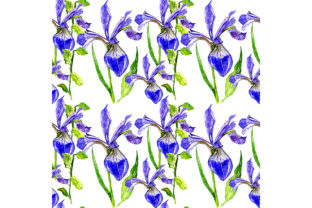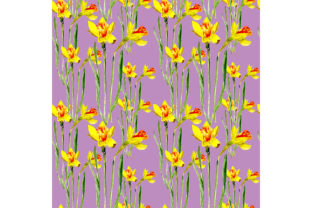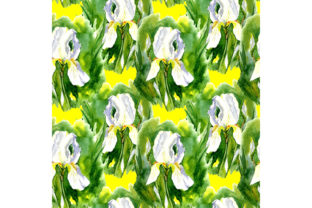
Seamless Pattern with Iris
Seamless pattern with iris is a design element that combines the elegance of floral motifs with the fluidity of seamless tiling. This style is particularly popular in modern graphic design, textile arts, and digital illustration. The use of irises—those delicate, vibrant flowers—adds a touch of sophistication and natural beauty to any project. Whether you're working on branding materials, interior design concepts, or digital art, seamless patterns with irises offer a versatile and visually appealing solution.
The Role of Seamless Patterns in Design
A seamless pattern is one that can be repeated infinitely without visible seams or breaks. This makes it ideal for backgrounds, textiles, and digital assets where continuity is key. When combined with the intricate details of an iris, the result is a pattern that feels both organic and intentional. These designs are often used in fashion, home decor, and web design, where visual harmony and aesthetic appeal are essential.
For designers, seamless patterns with irises serve as a bridge between nature and creativity. They allow for the integration of natural elements into structured formats, which can enhance the overall feel of a project. The versatility of these patterns means they can be adapted to various styles, from minimalist to bold and colorful.
How to Use Seamless Pattern with Iris in Your Workflow
Incorporating seamless pattern with iris into your workflow depends on the stage of your project. For instance, during the early planning phase, these patterns can help establish a cohesive visual identity. If you're creating a brand identity, using a seamless iris pattern as a background can set the tone for the entire design system.
During the execution phase, seamless patterns with iris can be used as textures or overlays to add depth and interest to flat designs. In web development, they can serve as background images that maintain consistency across different screen sizes and resolutions. In print media, such as packaging or stationery, they can create a luxurious and refined look.
Post-production is another area where seamless patterns with iris shine. They can be used as part of final touches, such as adding subtle texture to a logo or enhancing the visual complexity of a layout. Their adaptability ensures that they remain relevant throughout the lifecycle of a project.
Integration with Other Design Tools and Techniques
Seamless pattern with iris works well with a variety of design tools and techniques. Digital artists often use vector software like Adobe Illustrator or Procreate to create intricate, scalable patterns. These tools allow for precise control over shapes, colors, and gradients, which is crucial when designing complex floral elements.
When working with watercolor illustrations, seamless patterns with iris can be created by hand or digitally. Hand-drawn textures bring a unique, organic feel to the design, while digital methods offer greater precision and flexibility. Both approaches have their strengths, and the choice often comes down to personal preference and project requirements.
Additionally, seamless patterns with iris can be integrated with other design elements such as typography, color schemes, and negative space. This synergy helps create a balanced and visually engaging composition. It's important to consider how each element interacts with the others to ensure a harmonious final product.
Practical Tips for Creating Seamless Patterns with Iris
Creating a seamless pattern with iris requires careful planning and attention to detail. Start by sketching or sourcing high-quality reference images of irises. Focus on capturing the essence of the flower—its shape, color variations, and subtle textures.
Once you have your reference material, begin designing the base pattern. Use symmetry and repetition to ensure that the pattern flows seamlessly when tiled. Pay close attention to the edges of the pattern to avoid visible seams. A common technique is to mirror and repeat elements to maintain continuity.
For those who prefer a more tactile approach, hand-drawing the pattern can add a unique charm. Watercolor techniques can be used to create soft, blended textures that mimic the natural appearance of irises. Experiment with layering and blending to achieve the desired effect.
After completing the initial design, test the pattern by tiling it in different contexts. This will help identify any inconsistencies or areas that need refinement. Once satisfied, export the pattern in the appropriate format for use in your chosen medium.
Use Cases and Real-World Applications
Seamless pattern with iris has a wide range of applications across various industries. In fashion, it can be used for fabric prints, accessories, and branding materials. In interior design, it can serve as wall coverings, tablecloths, or decorative accents. In digital media, it can enhance user interfaces, website backgrounds, and social media graphics.
For small businesses and entrepreneurs, seamless patterns with iris can be a valuable asset in branding and marketing. They can be used to create consistent visual elements across different platforms, helping to build a strong brand identity. Additionally, they can be sold as downloadable assets, offering an additional revenue stream.
Education and creative communities also benefit from the use of seamless patterns with iris. Teachers and educators can incorporate them into lesson plans, while creators and hobbyists can use them as inspiration for their own projects. The accessibility of these patterns makes them a great resource for both professionals and amateurs alike.
Factors to Consider for Long-Term Use
When integrating seamless pattern with iris into your workflow, consider factors such as preparation, compatibility, usability, and organization. Ensure that your design files are properly labeled and stored for easy access. Compatibility with different software and platforms is also important, especially if you plan to use the patterns across multiple projects.
Usability should be a priority, especially if the patterns are intended for commercial use. Test the patterns in various contexts to ensure they maintain their quality and appearance under different conditions. Consistency in design and quality control will help maintain the integrity of the patterns over time.
Finally, think about the long-term value of your work. Seamless patterns with iris can be reused and repurposed in new projects, making them a valuable addition to your design toolkit. By investing time and effort into creating high-quality patterns, you can save time and resources in the future.