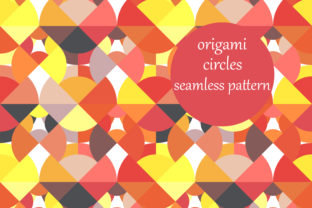
Origami-Inspired Cut Out Circles Pattern: A Versatile Design for Creative Projects
The Origami Cut Out Circles Pattern is a digital design concept that draws inspiration from the traditional Japanese art of origami, but adapts it into a modern, accessible format. Unlike the intricate folding techniques of origami, this pattern focuses on the visual and structural elements of circles—cutting them out in a way that mimics the layered, folded aesthetics of origami. It offers a unique blend of simplicity and complexity, making it an appealing choice for both seasoned designers and creative hobbyists.
What Makes the Origami Cut Out Circles Pattern Unique
The core idea behind this pattern lies in its ability to transform basic geometric shapes into visually engaging compositions. By using cut-out circles arranged in specific configurations, the design evokes the sense of depth and dimension typically associated with origami without requiring any physical folding. This makes it particularly useful for digital projects where layering and transparency play a key role.
One of the most striking features of the Origami Cut Out Circles Pattern is its adaptability. Whether used as a background element, a decorative border, or part of a larger composition, the pattern can be easily modified to suit different applications. Its modular nature allows for customization at various levels, from individual circle placements to entire layouts.
Key Characteristics and Practical Value
The Origami Cut Out Circles Pattern is defined by several key characteristics that contribute to its effectiveness:
- Visual Interest: The interplay of circular shapes creates a dynamic visual effect, drawing attention while maintaining a sense of balance.
- Layered Depth: The cut-out technique introduces a sense of depth, allowing for subtle shadows and highlights that enhance the overall aesthetic.
- Flexibility: The pattern can be scaled, rotated, and combined with other design elements, offering a high degree of versatility.
- Minimalist Appeal: Despite its complexity, the pattern maintains a clean, minimalist look that aligns well with contemporary design trends.
These characteristics make the Origami Cut Out Circles Pattern a valuable asset for designers working on a wide range of projects, including branding materials, website backgrounds, print designs, and even digital illustrations.
Real-World Applications and Performance
In practice, the Origami Cut Out Circles Pattern performs exceptionally well in scenarios where visual hierarchy and subtle detail matter. For instance, it can be used as a background in a marketing campaign to create a sophisticated yet approachable feel. In web design, it can serve as a subtle overlay on landing pages or product images, enhancing user engagement without overwhelming the content.
When applied to print media, such as brochures or posters, the pattern adds texture and dimension, making the design more engaging for the viewer. However, it's important to consider the resolution and scaling when using the pattern in large formats. Properly optimizing the file size and quality ensures that the design remains crisp and clear at any scale.
Who Benefits Most from This Pattern?
The Origami Cut Out Circles Pattern is particularly beneficial for professionals in creative fields who require versatile and reusable design assets. This includes graphic designers, marketers, and educators who need to maintain a consistent visual language across multiple platforms.
Freelancers and small business owners may find the pattern especially useful for creating branded materials quickly and efficiently. Its modular nature allows for easy integration into existing design systems, reducing the time and effort required to develop new visuals from scratch.
For hobbyists and creators, the pattern offers an opportunity to experiment with new design ideas while staying true to the principles of minimalism and structure. It encourages a deeper understanding of spatial relationships and visual balance, which are essential skills in any design discipline.
Professional Observations and Recommendations
From a professional standpoint, the Origami Cut Out Circles Pattern demonstrates strong usability and consistency. Its design is intuitive, making it accessible to users with varying levels of experience. However, like any design asset, it requires thoughtful implementation to achieve optimal results.
One recommendation is to use the pattern in conjunction with complementary elements to avoid visual clutter. For example, pairing it with solid colors or simple text can help maintain clarity and focus. Additionally, testing the pattern across different devices and screen sizes is crucial to ensure it functions effectively in all contexts.
Another consideration is the long-term value of the pattern. While it is highly adaptable, its effectiveness depends on how well it integrates with the overall design strategy. Regularly reviewing and updating the pattern’s application can help maintain its relevance and impact over time.
Limitations and Considerations
Despite its strengths, the Origami Cut Out Circles Pattern is not without limitations. One potential drawback is its reliance on transparency and layering, which may not translate well in certain environments. For example, in low-resolution settings or when printed on dark backgrounds, the pattern may lose its intended effect.
Additionally, the pattern’s effectiveness can vary depending on the context in which it is used. It may not be suitable for projects that require bold, high-contrast visuals or for situations where a more structured design approach is necessary. Careful evaluation of the project’s goals and audience is essential before implementing the pattern.
Conclusion
The Origami Cut Out Circles Pattern offers a compelling combination of simplicity, versatility, and visual appeal. Its ability to evoke the essence of origami through cut-out circles makes it a valuable resource for designers and creators looking to add depth and interest to their work. While it may not be the best fit for every project, it provides a strong foundation for those seeking a flexible and aesthetically pleasing design solution. When used thoughtfully, this pattern can significantly enhance the visual impact of a wide range of creative endeavors.